
Responsible Mining. Shared Progress. Lasting Value.
At Gold Coast Consolidated Minerals, sustainability means developing mineral resources in a manner that respects people, protects the environment and contributes to Ghana’s long-term development. We recognise that our success is closely connected to the safety of our workforce, the wellbeing of our host communities and the responsible management of the land entrusted to us.
Our approach extends across the mineral-development lifecycle—from exploration and project planning to mining, rehabilitation and post-mining land use. Environmental, health, safety and community considerations are therefore integrated into how we assess opportunities, plan activities and manage our operations.
Our Sustainability Priorities
Our sustainability approach is organised around five priorities. These priorities guide our relationships with employees, contractors, regulators, traditional authorities, landowners and communities.
Environmental Protection
Responsible land management
Health, Safety & Wellbeing
Employee wellbeing
Community Engagement
Participation & trust
Ghanaian Opportunity
Local employment & economy
Legal Compliance
Zero tolerance for illegal mining
Environment, Health and Safety
Protecting People and the Environment
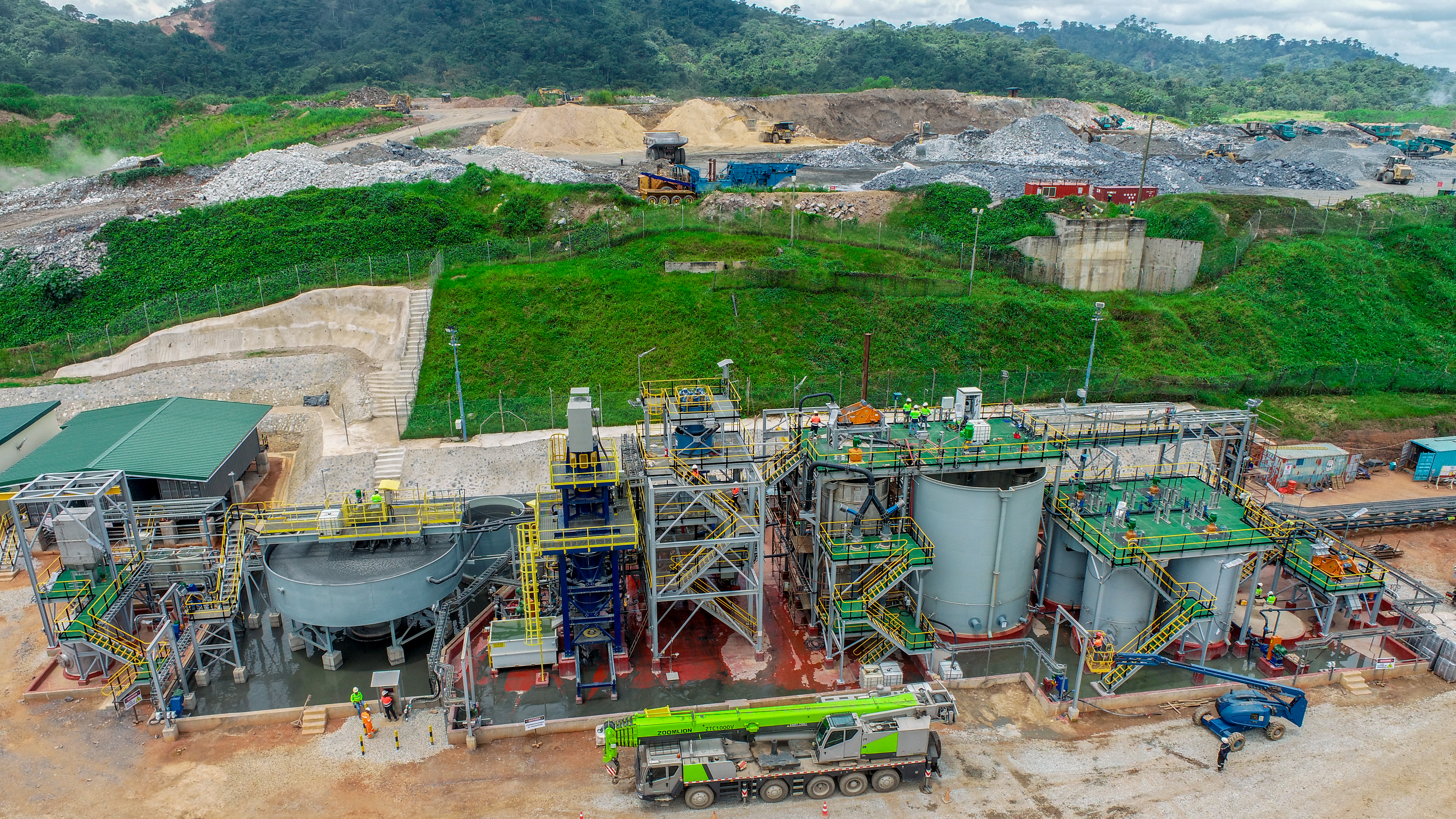
Environment, health and safety—EHS—are fundamental to responsible mineral development. We seek to identify potential risks before work begins, establish appropriate controls and promote personal responsibility throughout our workforce and contractor network.
Everyone working with GCCM is expected to understand that safe performance is a condition of work. Production or operational objectives must not take priority over human life, community safety or responsible environmental management.
Health and Safety
Our aim is to provide working conditions that protect employees, contractors, visitors and neighbouring communities. We promote a safety culture based on preparation, awareness, accountability and continuous improvement.
- Identifying workplace hazards and assessing operational risks
- Establishing safe systems and procedures for each activity
- Providing appropriate personal protective equipment
- Conducting safety briefings, inspections and workforce training
- Maintaining emergency-preparedness and incident-response arrangements
- Reporting and investigating incidents, hazards and near misses
- Encouraging workers to stop and report activities they believe are unsafe
- Reviewing performance and strengthening controls where necessary
Employees and contractors share responsibility for maintaining a safe workplace. Supervisors are expected to provide clear direction, while every worker is encouraged to raise concerns without fear of retaliation.
Environmental Responsibility
Mining and exploration can affect land, water, vegetation and surrounding ecosystems. We therefore seek to understand the environmental conditions of each project area and consider potential impacts when planning our activities.
- Responsible land clearing and disturbance management
- Protection of water resources and natural drainage
- Appropriate handling of fuels, chemicals and materials
- Control of dust, noise, erosion and sediment
- Responsible waste storage, handling and disposal
- Prevention and management of spills
- Progressive rehabilitation of disturbed areas
- Monitoring of environmental conditions
- Compliance with environmental permits
Planning Beyond Extraction
Our responsibility to the land does not end when mineral extraction is completed. Land restoration is considered as part of the project lifecycle and not simply as an activity reserved for mine closure.
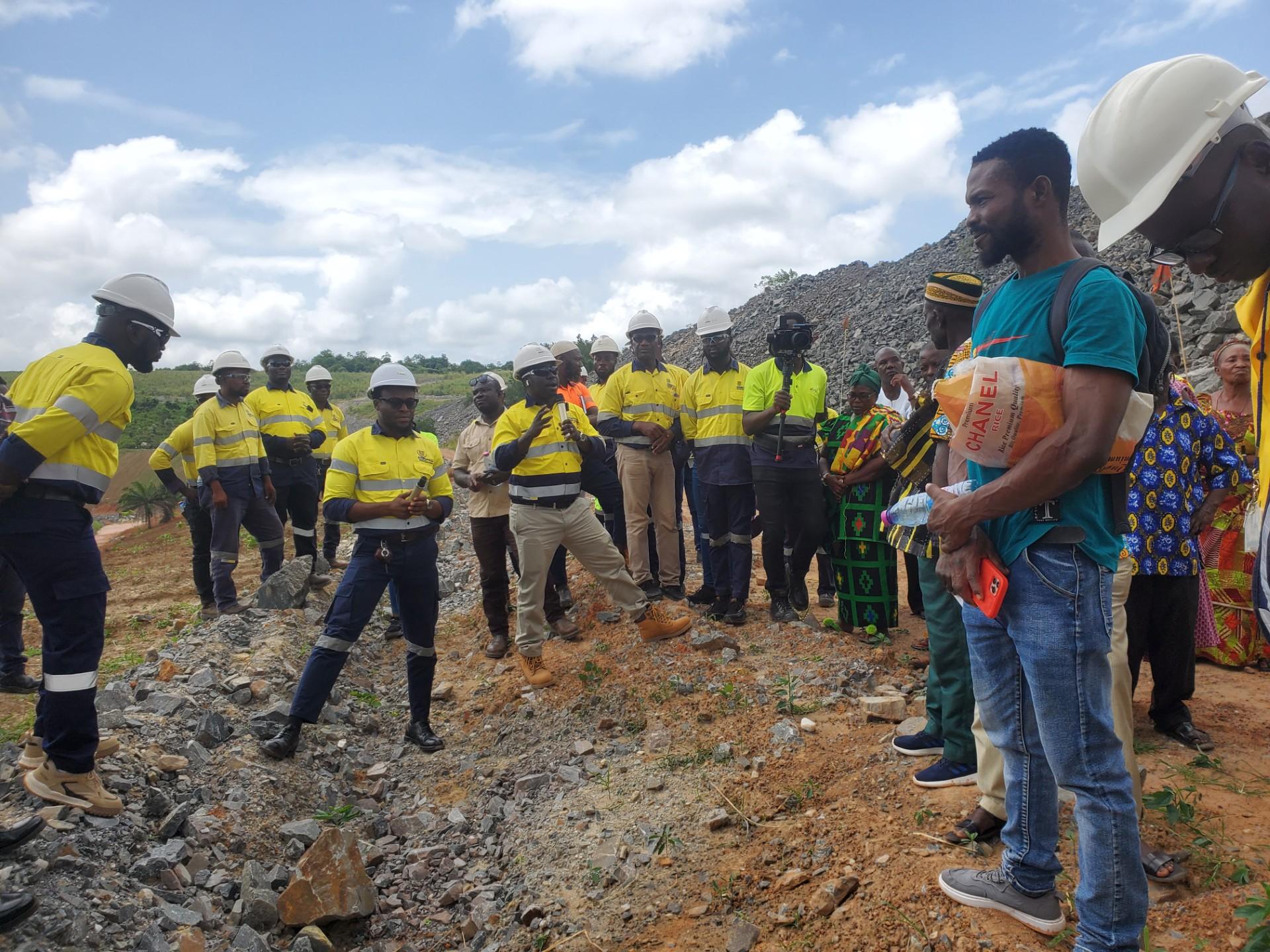
Where conditions permit, progressive rehabilitation may be undertaken while other parts of a project remain active. This approach can reduce the amount of disturbed land awaiting restoration and provide opportunities to assess which rehabilitation methods are most effective.
Restoration activities may include stabilising disturbed ground, managing drainage, replacing suitable soil material, controlling erosion and establishing vegetation compatible with the intended future use of the land.
We will engage relevant landowners, communities and regulatory institutions when considering suitable post-mining land uses. Our objective is to leave restored areas safe, stable and capable of supporting appropriate future environmental, social or productive uses.
Community Engagement and Participation
Listening, Participating and Building Trust
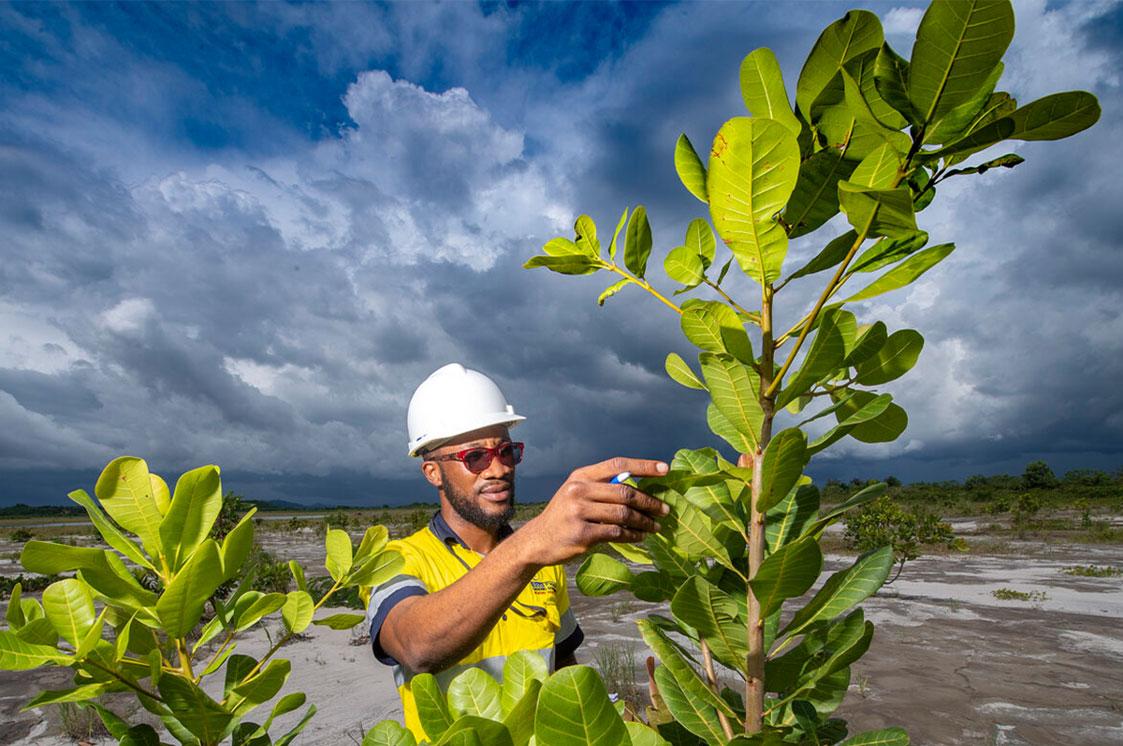
Host communities are important stakeholders in mineral development. Meaningful engagement requires timely communication, respect for local knowledge and opportunities for affected people to express their interests and concerns.
GCCM engages with five communities connected to our current activities. We seek to maintain constructive relationships with community members, traditional authorities, local government institutions, landowners, women, young people and other relevant groups.
- Early engagement before significant project activities begin
- Clear and accessible information about planned activities
- Respect for traditional leadership and recognised structures
- Opportunities to raise questions and concerns
- Consideration of women, young people and vulnerable groups
- Documentation and responsible handling of grievances
- Regular communication throughout the lifecycle
- Collaboration on realistic community priorities
Community engagement does not mean that every request can be fulfilled. It means listening respectfully, communicating honestly and making decisions through transparent and responsible processes.
Ghanaian Employment
We believe Ghana’s mineral resources should generate opportunities for Ghanaians. We focus on recruiting qualified Ghanaian workers and providing workplace learning and skills-development opportunities.
Local Procurement
Encouraging eligible local businesses to participate in procurement, communicating supplier requirements clearly and supporting fair and transparent access to available opportunities.
Skills Development
Promoting participation by women and young people where practicable and building relationships with educational and skills-development institutions. Employment and procurement depend on project stage, vacancies and ability to meet safety, quality and commercial standards. We will not request payment for employment or contracts.
Zero Tolerance for Illegal Mining
Protecting people, concessions and the environment through lawful operations and compliance.
Protecting People, Concessions and the Environment
Gold Coast Consolidated Minerals has no tolerance for illegal mining, unauthorised mineral extraction or related activities within its concessions and project areas.
Illegal mining can expose individuals and communities to unsafe working conditions, unstable excavations, uncontrolled water bodies, hazardous substances and serious environmental damage. It can also undermine lawful mineral development, create conflict over land and prevent proper rehabilitation.
GCCM will not support, finance, facilitate or knowingly benefit from illegal mining. Employees, contractors and business partners are expected to comply with applicable laws and company requirements.
Suspected illegal activity should be handled through lawful reporting and engagement. Employees and community members should not place themselves in danger or attempt unauthorised enforcement actions.
Required Actions
- Maintaining awareness of activities within our authorised project areas
- Communicating concession boundaries and access requirements
- Engaging communities on the dangers and consequences of illegal mining
- Reporting suspected illegal activity to the appropriate state authorities
- Refusing unauthorised mineral purchases or processing arrangements
- Conducting appropriate checks on contractors and business relationships
- Protecting company information, equipment and resources from misuse
- Cooperating lawfully with regulators and authorised security institutions
Governance and Compliance
Acting Responsibly and Accountably
Strong governance supports responsible environmental and social performance. We seek to conduct our activities in accordance with applicable Ghanaian mining, environmental, labour, health and safety requirements.
Employees and contractors are expected to report suspected misconduct, unsafe conditions, environmental incidents and breaches of company requirements.
Our Continuing Commitment
Sustainability is an ongoing responsibility that develops as our projects progress. We will continue to strengthen our systems, improve our understanding of environmental and social risks and engage with the people affected by our activities.
Through responsible exploration, disciplined operations, local participation and restoration planning, Gold Coast Consolidated Minerals aims to create value that extends beyond mineral extraction—supporting our workforce, our host communities and Ghana’s mineral-development objectives.
Sustainability and Community Enquiries
For sustainability, environmental, community or concession-related enquiries, contact our Accra office.
Telephone: +233 30 295 2772 | Email: info@goldcoastconsolidatedminerals.com